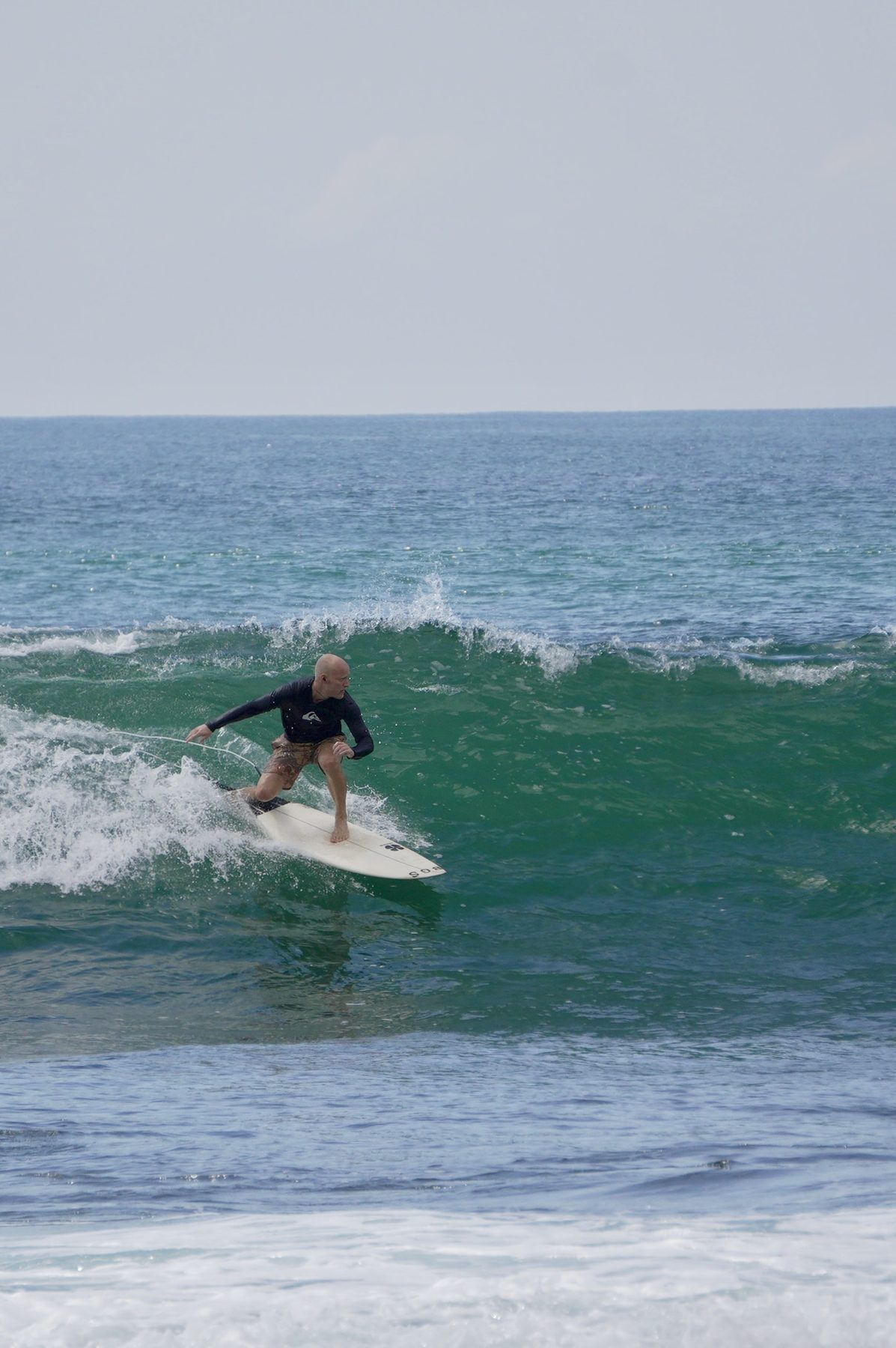
The Best Time to Surf in Sri Lanka: A Complete Seasonal & Regional Guide
Sri Lanka is one of the most consistent surf destinations in the Indian Ocean. Thanks to its tropical location and unique dual-monsoon climate, rideable waves can be found somewhere on the island throughout the year. However, scoring optimal conditions depends on aligning your travel dates with the right coastline.
Whether you are looking for manageable beach breaks to build foundational skills or open-face waves to refine your turns, understanding the two primary surf seasons is key to planning your itinerary.
Sri Lanka's Two Surf Seasons Explained
Sri Lanka's weather and ocean conditions are governed by two distinct monsoon cycles. When monsoonal winds bring rain and onshore sea conditions to one region, the opposite side of the island experiences dry weather and offshore winds.
- South Coast — Prime Season: November – April. Shoulder Months: October & May. Primary Wave Type: Sand-Bottom Beach Breaks & Reef Peaks.
- East Coast — Prime Season: May – September. Shoulder Months: April & October. Primary Wave Type: Right-Hand Point Breaks.
1. The South Coast Season (November to April)
The South Coast — stretching across regions like Weligama, SK Town, Madiha, Ahangama, Midigama, and Hiriketiya — is Sri Lanka's primary surf hub during the northern hemisphere winter.
Wave and Wind Conditions
During these months, the Southwest Monsoon subsides, giving way to consistent groundswells generated in the Southern Ocean. Early mornings typically bring light offshore winds, producing clean, glassy conditions across sandbars and local breaks.
- Swell Size: Typically ranges from 2 to 6 feet during main swell pulses.
- Suitable For: All skill levels — from beginners practicing white-water take-offs to intermediate and advanced surfers seeking clean walls for maneuver practice.
Peak Months vs. Shoulder Months
- Peak (December to February): Offers high swell consistency and dry weather. Morning sessions are generally best before afternoon thermal winds pick up.
- Shoulder (October & May): Transitional periods with variable weather and lower crowd density. Swells can be inconsistent, but clean sessions occur regularly.
2. The East Coast Season (May to September)
When the Yala Monsoon brings rain and rough seas to the South Coast between May and September, weather and surf conditions shift to the East Coast.
Wave Conditions
Centered around Arugam Bay, the East Coast is recognized for its right-hand point breaks that wrap along the shoreline.
- Swell Size: Generally holds 3 to 6 feet during peak months.
- Suitable For: Intermediate and advanced surfers who prefer long, wrapping point waves.
Matching Your Skill Level to the Season
Choosing when and where to travel should align with your personal surf goals:
- Developing Surfers: The South Coast from December to March provides accessible beach breaks with sand bottoms, allowing for safe practice of pop-ups and trimming.
- Intermediate Surfers: November through April on the South Coast offers a variety of open-face beach waves and accessible reefs to work on bottom turns, positioning, and wave reading.
- Advanced Surfers: Larger swell windows on the South Coast (often seen around the season transitions in November and March/April) bring higher energy to outer peaks and faster setups.
Planning Your South Coast Session
Maximizing your time in the water requires observing daily tide changes, wind shifts, and local sandbar movements.
If you want to combine your stay with structured coaching, localized wave guidance, and video reviews, take a look at the Surf Bootcamp at Dreamers Surfhouse. You can also view our accommodation options and rates on our Prices Page.